Royal Exchange History: Grade I Listed Landmark, Bank, City of London
A history of the Royal Exchange at Bank, from its founding by Sir Thomas Gresham in the 16th century, through two fires and two rebuildings, to the Grade I listed building that stands there today.
Royal Exchange History: How the Building Came to Be
This is a short Royal Exchange history and architecture guide to one building at Bank, in the City of London, told in four chapters: from Gresham's founding to the courtyard's glass roof, plus how dining has used the space since 2001.
Founding
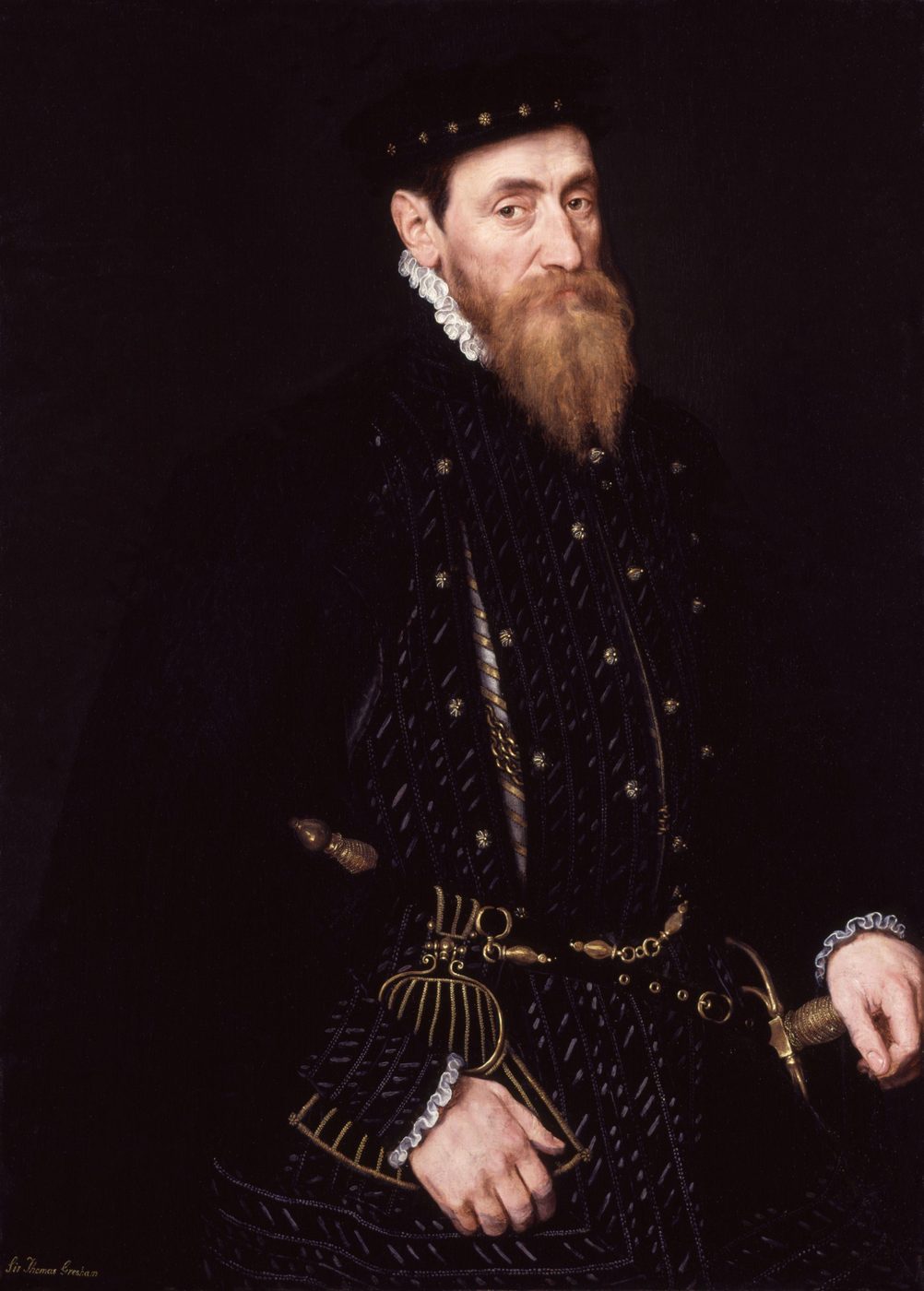
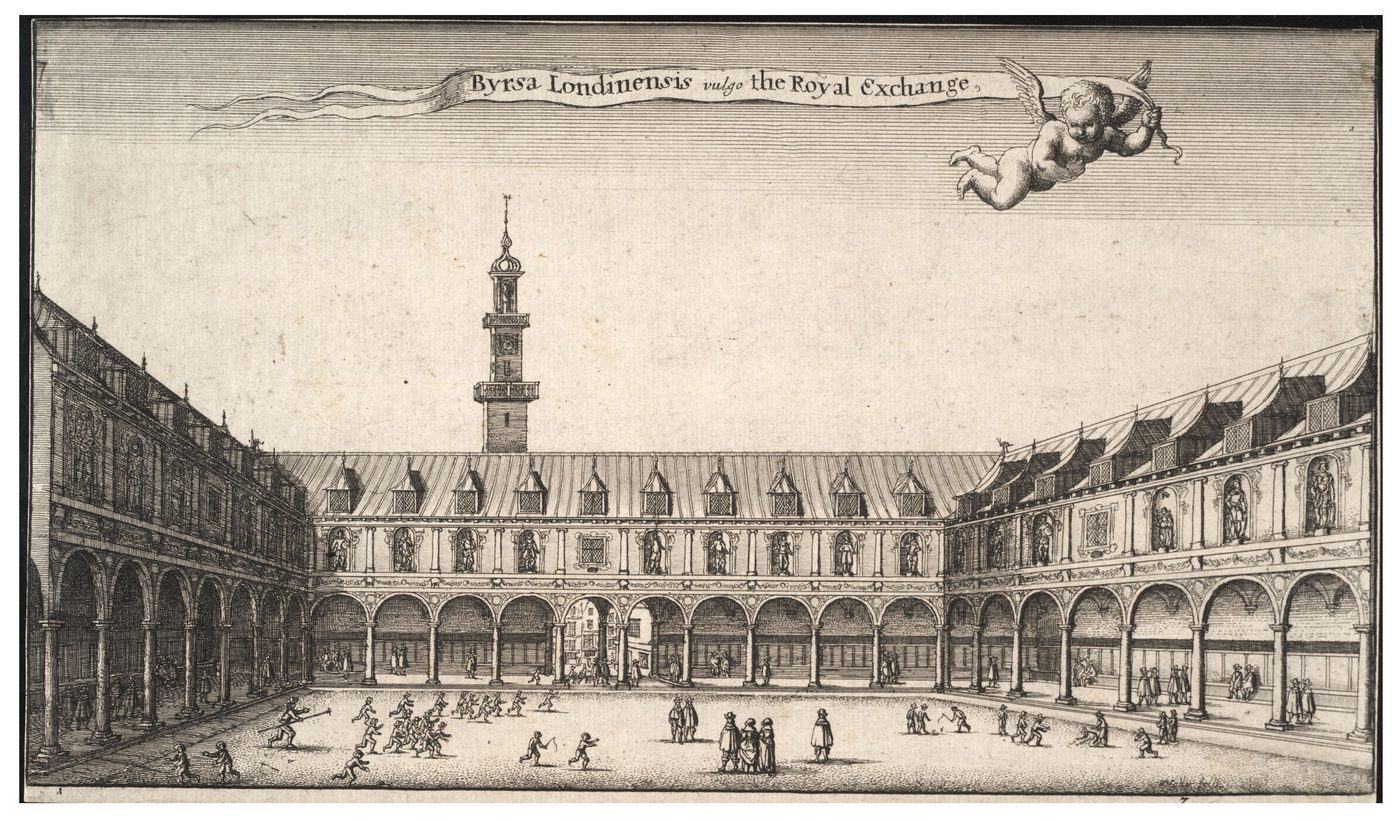
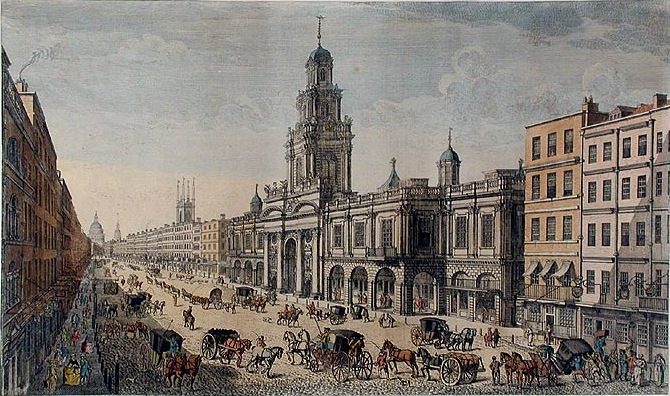
Merchant Sir Thomas Gresham built the first Royal Exchange as a trading hub for the City; Elizabeth I opened it on 23 January 1571.
Fire & Rebuilding
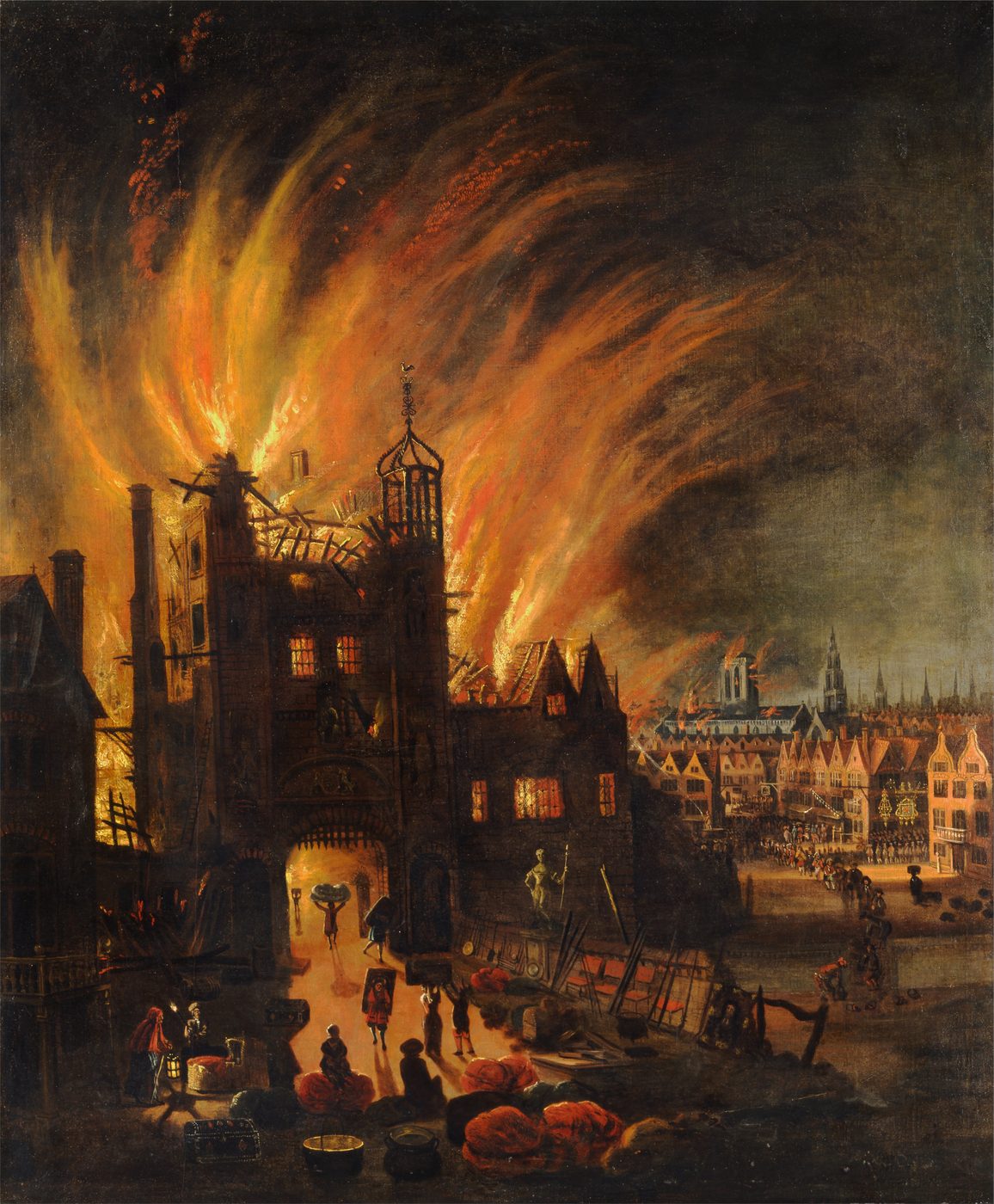
The first building was destroyed in the Great Fire of London and rebuilt by 1669; a second fire in 1838 destroyed its successor in turn.
The Third Exchange
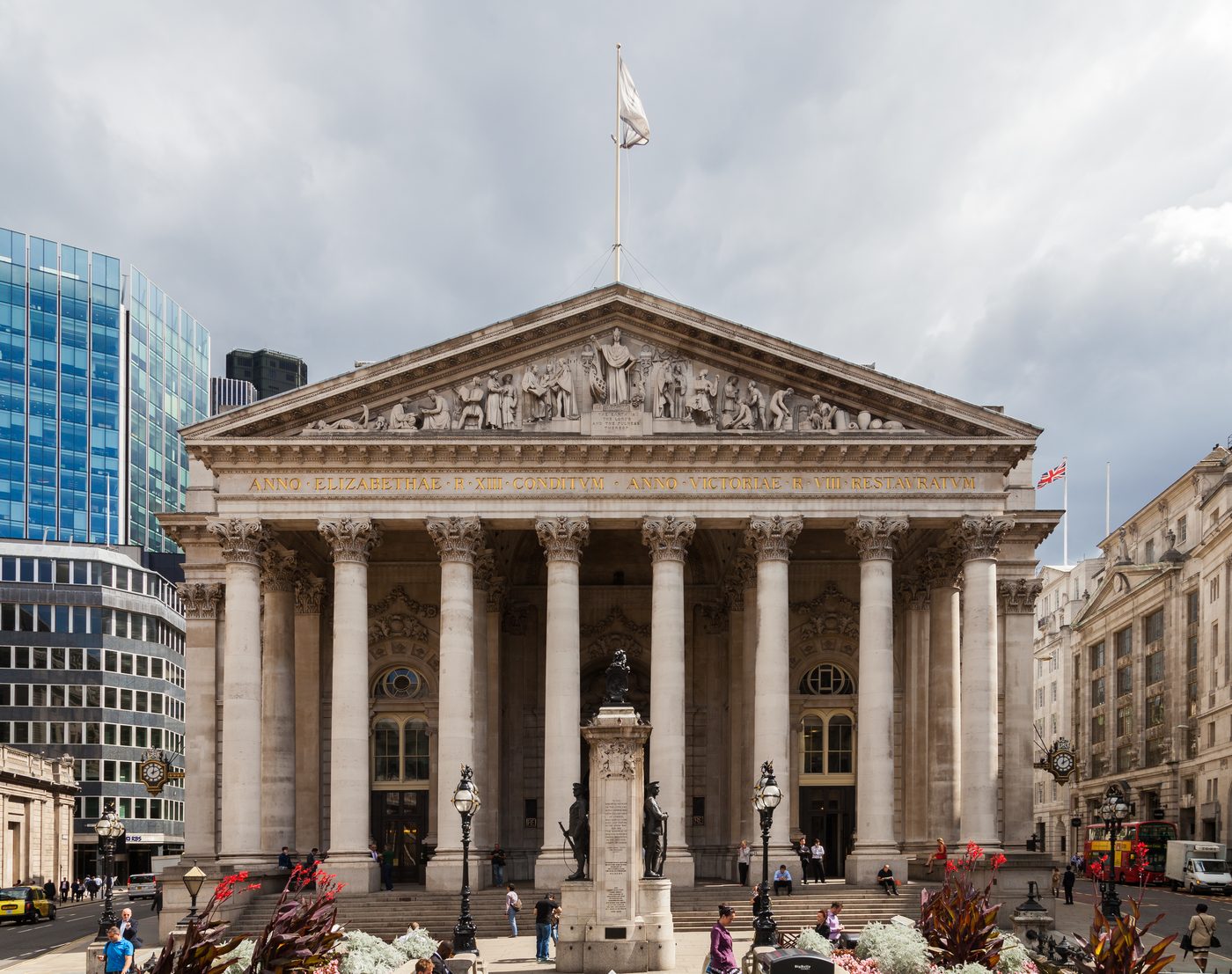
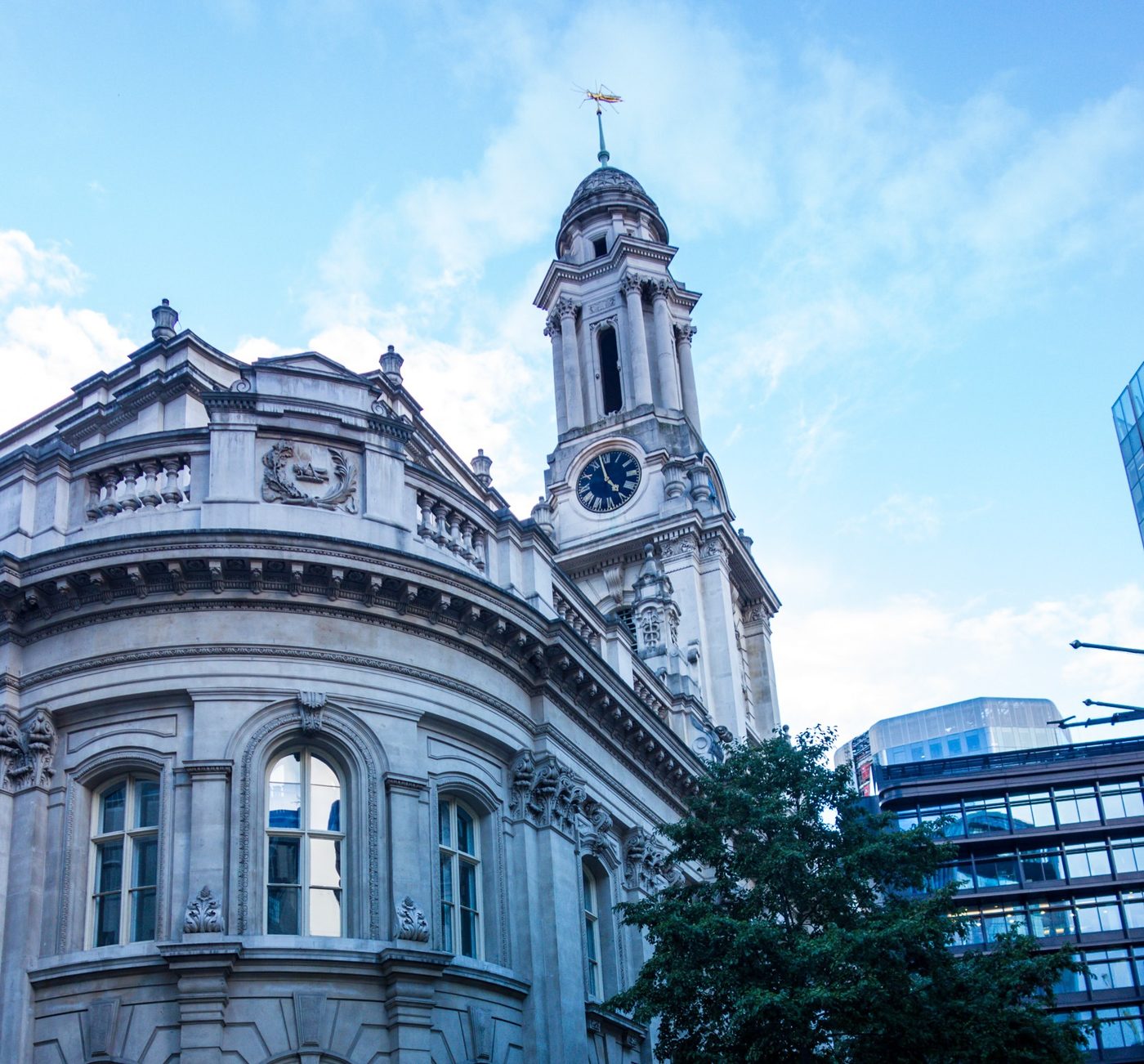
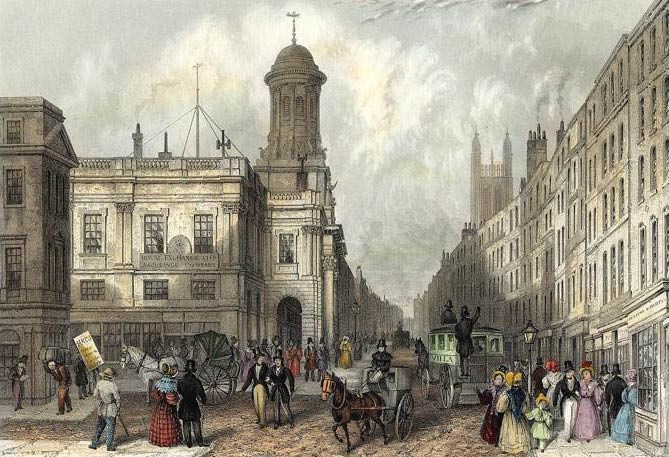
Architect Sir William Tite's classical design, with its tall portico, was completed in 1844 and opened by Queen Victoria.
The Glazed Courtyard
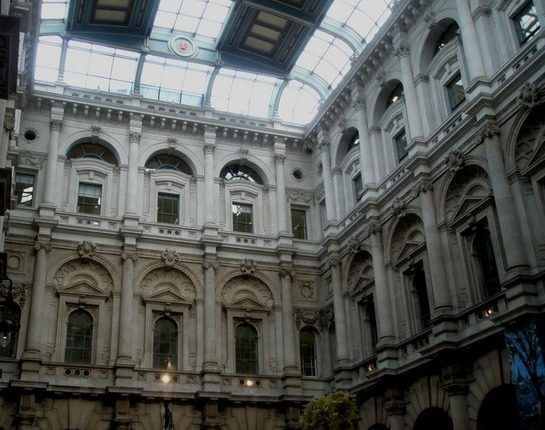
Open to the sky for decades, the central courtyard was covered with a glazed vault in the 1880s, later renewed.
Dining Then & Now
Restaurants have occupied the courtyard and mezzanine since the building's 2001 reopening, and this covers who has served there, then and now.

Four centuries, in image
The courtyard, before and after the roof

Six centuries, four dates
The first Royal Exchange opens, founded by Sir Thomas Gresham.
Destroyed in the Great Fire of London; rebuilt by 1669.
The second building is destroyed by fire.
Sir William Tite's building opens, the third and present Royal Exchange.
A Grade I Listed Landmark at Bank, in the City of London
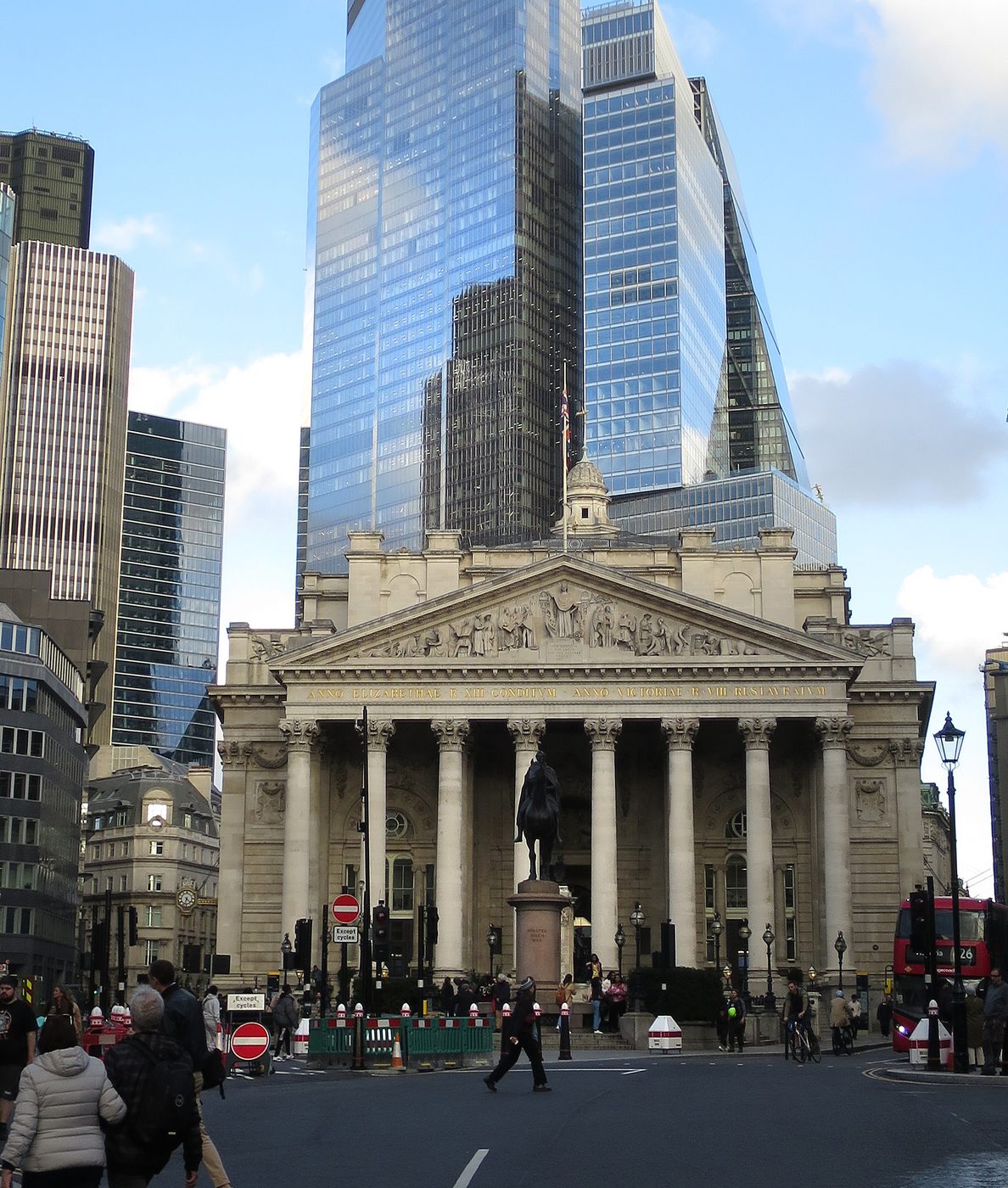
The Royal Exchange in the City of London has stood at this junction, in one form or another, since 1571, at the meeting point of Cornhill, Threadneedle Street and Lombard Street, three of the City's oldest streets. Its ground floor is built around a central courtyard, originally open to the sky and enclosed by a glazed roof in the 1880s.
The building's classical exterior, a colonnaded portico raised on a wide flight of steps, has remained largely unchanged since 1844, and it is protected today as a Grade I listed building. Grade I listed since 1950, this Royal Exchange history continues today as shops and restaurants trade inside Tite's 1844 building.
Dining Then & Now
This last chapter of Royal Exchange history and architecture looks at how the trading floor itself has changed hands. The Royal Exchange in the City of London is still a working address, just not a trading one.
Frequently Asked Questions
What is the Royal Exchange?
The Royal Exchange is a Grade I listed building at Bank, in the City of London. Sir Thomas Gresham built it as a merchant trading hall in 1571, and the third and present version of the building, completed in 1844, now houses shops and restaurants rather than a trading floor.
How old is the Royal Exchange?
The Royal Exchange dates back to 1571, though the building standing today is the third on the site, completed in 1844 after the first two burned down in the Great Fire of London and again in 1838. The address itself has been in continuous use for over four centuries.
Why is it called the Royal Exchange?
Elizabeth I visited Thomas Gresham's new trading hall in person on 23 January 1571, toured its gallery of shops, and declared that it should be called the Royal Exchange. Before her visit it was known simply as Gresham's new Exchange, or the Bourse.
Is the Royal Exchange still in use today?
Yes, though not as a trading floor. Its courtyard and mezzanine have hosted shops and restaurants since a 2001 refurbishment, and the building's Grade I listed exterior, including the portico, pediment sculpture and clock tower, has remained largely unchanged since 1844.
Where is the Royal Exchange located?
The Royal Exchange stands at Bank junction in the City of London, at the meeting point of Cornhill, Threadneedle Street and Lombard Street, three of the City's oldest streets, and the same site the building has occupied since 1571.